
What Happens During Cat Spay & Neuter Surgery? Step by Step
Quick answer: Sterilisation is a routine day procedure. Your cat fasts beforehand (no food from midnight, no water from 6am), has a pre-surgical exam and recommended bloodwork, then surgery under general anaesthesia with fluid therapy and full monitoring. A female spay (ovariohysterectomy) removes the ovaries and uterus; a male neuter (castration) removes the testicles. Most […]
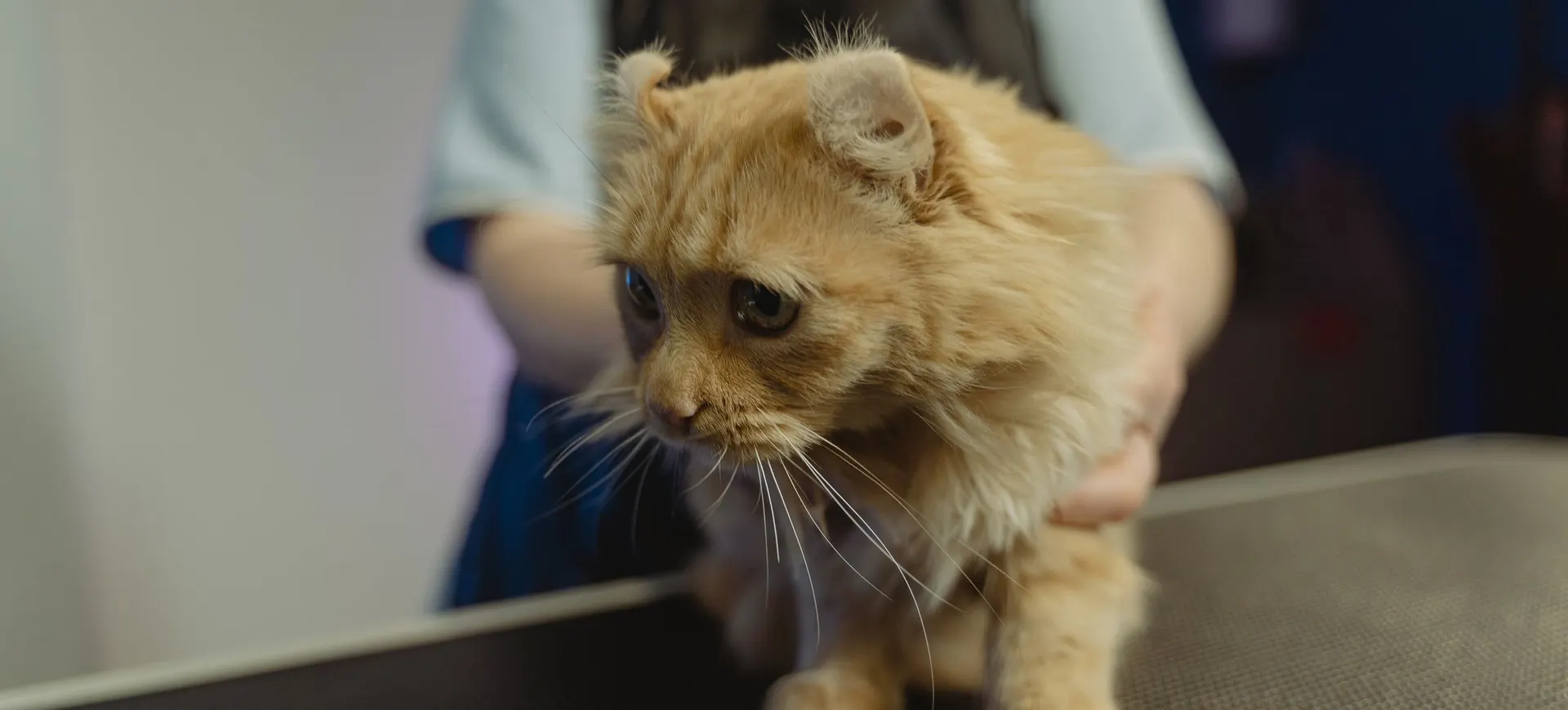
Quick answer: Sterilisation is a routine day procedure. Your cat fasts beforehand (no food from midnight, no water from 6am), has a pre-surgical exam and recommended bloodwork, then surgery under general anaesthesia with fluid therapy and full monitoring. A female spay (ovariohysterectomy) removes the ovaries and uterus; a male neuter (castration) removes the testicles. Most cats are discharged the same day to recover quietly at home.
If your cat is booked in for sterilisation, knowing exactly what happens on the day takes a lot of the worry away. It is one of the most commonly performed feline operations, and a well-run clinic treats it with the same care and attention as any surgery. Here is the whole journey, step by step, from the night before to going home.
Step 1: Fasting the night before
Your cat should have no food from midnight and no water from 6am on the morning of surgery. Fasting reduces the chance of nausea or vomiting under anaesthesia, which keeps the airway safe. If your cat has a medical condition or takes regular medication, let us know when you book, as we may adjust these timings.
Step 2: Admission and the pre-surgical exam
When you arrive, the vet performs a pre-anaesthetic physical examination, listening to the heart and lungs, checking gum colour, hydration, weight and temperature. This confirms your cat is well on the day and helps tailor the anaesthetic.
We also recommend pre-anaesthetic bloodwork (a basic blood test from $250, charged separately and not included in the surgery price). This checks organ function (particularly the kidneys and liver, which process anaesthetic drugs) and can reveal hidden problems before they become a risk. It is especially valuable for older cats, but worthwhile at any age.
Step 3: Anaesthesia and monitoring
Once your cat is cleared, we give fluid therapy to keep your cat hydrated and support circulation. Because a routine cat sterilisation is a fairly quick procedure, fluids are often given as a bolus under the skin (subcutaneously) rather than through a drip, and your vet will choose the best approach for your cat. Your cat is then settled under general anaesthesia so the procedure itself is pain-free.
Throughout the operation, a dedicated team member monitors your cat with full anaesthetic monitoring, tracking heart rate, breathing, oxygen levels, blood pressure and temperature, and ventilator support is available if your cat needs help with breathing. As an ISFM Silver Cat Friendly Clinic, we also use gentle, cat-considerate handling at every stage to keep stress to a minimum. The surgical site is clipped and cleaned thoroughly to keep everything sterile.
Step 4a: The female spay (ovariohysterectomy)
A spay is the removal of the ovaries and uterus. The vet makes a small incision, usually on the midline of the belly, locates the reproductive tract, ties off the blood vessels securely, and removes the ovaries and uterus. The incision is then closed in layers with sutures. Removing the ovaries stops heat cycles and the ability to become pregnant, and removing the uterus prevents pyometra (a dangerous womb infection) later in life.
In most cases this is straightforward. Occasionally, for example if a female is on heat or pregnant, the tissues are more vascular and the surgery is more involved, which is why an additional charge of $150 may apply for these complications.
Step 4b: The male neuter (castration)
A neuter is the removal of the testicles through one or two small incisions in the scrotum. It is quicker than a spay and the incisions are often so small they need no skin sutures. If a male is cryptorchid (one or both testicles have not descended), the surgery is more complex: it may involve searching the inguinal area or abdomen, and an additional $150 charge can apply.
If you want a fuller comparison of the two operations and their different benefits, see our guide to spay versus neuter.
Step 5: Recovery and same-day discharge
After surgery your cat is moved to a warm, quiet area and watched closely as the anaesthetic wears off. Cats recover from these routine procedures quickly, and most are discharged the same day. You will go home with clear aftercare instructions and any pain relief your cat needs.
The first days at home matter: a calm space, an Elizabethan collar to stop licking, and limited jumping all help the wound heal cleanly. We cover this fully in our guide to caring for your cat after surgery. A suture check or removal is usually done around 10 to 14 days later.
How we approach it at AVH Animal Ark
We provide cat neutering and spaying at both our Springleaf and Tampines clinics, open 7 days a week. Every procedure includes general anaesthesia with fluid therapy and full anaesthetic monitoring, with ventilator support available if needed, delivered with gentle ISFM Cat Friendly handling. As a guide, male neutering starts from $250 and female spaying from $400 (inclusive of 9% GST). Bloodwork, if recommended, is an add-on from $250 and is not included in those prices. You will receive a personalised quote after your cat's examination.
Frequently asked questions
How long does cat sterilisation surgery take?
The surgery itself is usually quite short (a neuter often just minutes, a spay a little longer), but your cat is with us for most of the day to allow safe anaesthesia, recovery and observation before going home.
Is the surgery painful for my cat?
No. Your cat is fully anaesthetised and feels nothing during the procedure, and we send home appropriate pain relief so they stay comfortable as they heal.
Why does my cat need bloodwork before surgery?
Bloodwork checks that the organs which process anaesthetic drugs are working well and can uncover hidden issues. It adds an important layer of safety, particularly for older cats.
Can my cat go home the same day?
Yes, in most routine cases cats are discharged the same day once they have recovered safely from anaesthesia.
Medically reviewed by Dr Joyce Lauw, Veterinarian (University of Sydney, 2013); MANZCVS (Medicine of Cats); Certified Veterinary Acupuncturist, special interest in feline and internal medicine. Read Dr Joyce's profile
Last reviewed: October 2026. This article is general information and not a substitute for a consultation with your vet.
References / Further reading
- International Society of Feline Medicine (ISFM) - Cat Friendly Clinic guidance
- WSAVA - World Small Animal Veterinary Association (anaesthesia and surgery guidelines)
- AAHA - American Animal Hospital Association