
Spay vs Neuter: The Crucial Health Differences for Feline Owners
Quick answer: The difference is simple: spaying is for female cats, neutering is for males. A spay removes the ovaries and uterus; a neuter removes the testicles. Both prevent unwanted litters, but they bring different health and behaviour benefits, spaying helps prevent pyometra and reduces mammary tumour risk, while neutering cuts roaming, spraying and fighting.
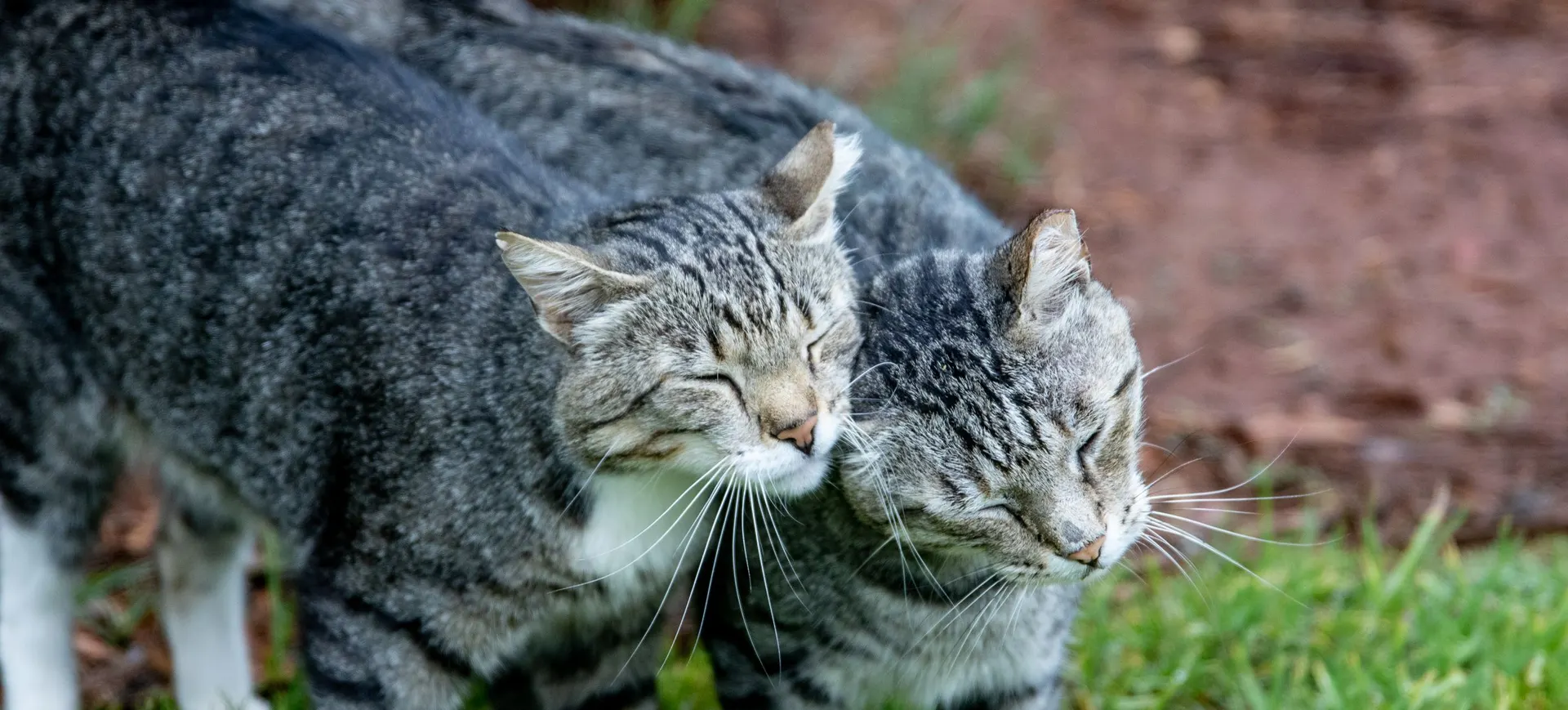
Quick answer: The difference is simple: spaying is for female cats, neutering is for males. A spay removes the ovaries and uterus; a neuter removes the testicles. Both prevent unwanted litters, but they bring different health and behaviour benefits, spaying helps prevent pyometra and reduces mammary tumour risk, while neutering cuts roaming, spraying and fighting.
"Spay" and "neuter" are often used interchangeably, but they describe two different operations for two different sexes. Understanding which is which, and what each one actually does, helps you make a confident decision for your cat. Here is the clear, vet's-eye breakdown.
The basic difference
Both procedures are forms of sterilisation: they stop a cat from being able to reproduce. The distinction is about sex and anatomy.
- Spaying is performed on female cats. It removes the ovaries and uterus (an ovariohysterectomy).
- Neutering (castration) is performed on male cats. It removes the testicles.
In everyday conversation people sometimes use "neuter" loosely to mean sterilisation of either sex, but strictly speaking spaying is female and neutering is male.
What each procedure removes, and why
Removing the relevant reproductive organs does two things: it makes reproduction impossible, and it switches off the sex hormones that drive certain behaviours and disease risks.
A spay eliminates the source of eggs and the heat cycle, and removes the uterus entirely. A neuter removes the source of testosterone, which is what fuels many of the behaviours owners find difficult in entire toms.
Spay vs neuter at a glance
| Spay (female) | Neuter (male) | |
|---|---|---|
| Who it is for | Female cats (queens) | Male cats (toms) |
| What is removed | Ovaries and uterus | Testicles |
| Surgical name | Ovariohysterectomy | Castration |
| Incision | Small abdominal incision | Small scrotal incision(s) |
| Stops | Heat cycles, pregnancy | Sperm production, testosterone |
| Key health benefits | Prevents pyometra; reduces mammary tumour risk | Reduces fight injuries and disease spread |
| Key behaviour benefits | Ends calling, restlessness and escape attempts in heat | Reduces spraying, roaming, fighting and urine odour |
| Typical complexity | Slightly more involved (abdominal) | Quicker, often no skin sutures |
The distinct benefits of spaying a female
Spaying does more than prevent kittens. Its standout health benefits include:
- Preventing pyometra: a serious, potentially life-threatening infection of the uterus that becomes more likely as an unspayed female ages. Removing the uterus removes the risk entirely.
- Reducing the risk of mammary (breast) tumours, which in cats are frequently malignant. The protective effect is strongest when spaying is done early.
- Ending the heat cycle: no more loud calling, pacing, restlessness or determined attempts to escape and find a mate.
The distinct benefits of neutering a male
Neutering chiefly removes testosterone, and with it many of the behaviours that make an entire tomcat hard to live with:
- Less territorial spraying and a noticeable drop in the strong, pungent urine odour of an entire male.
- Less roaming, which lowers the risk of road accidents, getting lost and straying far from home.
- Less fighting, and therefore fewer bite wounds, abscesses and the diseases spread through fighting.
Because these benefits are most effective before the behaviours become ingrained habits, timing matters, see our guide to the best age to neuter a cat.
Which is "better"? Neither: it depends on your cat
There is no winner here; you choose based on your cat's sex. What both share is that they are routine, well-established procedures with clear lifelong benefits. One thing many owners ask about is whether their cat will pile on weight afterwards. Metabolism does slow slightly after sterilisation, but weight gain after neutering is preventable with sensible feeding and play, it is not inevitable.
How AVH Animal Ark can help
Whether your cat needs a spay or a neuter, we offer cat spaying and neutering under general anaesthesia with fluid therapy and full anaesthetic monitoring, with ventilator support available if needed, all delivered with gentle ISFM Cat Friendly handling, we are an ISFM Silver Cat Friendly Clinic. We recommend sterilisation from 6 months of age and above.
You will find us at Springleaf and Tampines, open 7 days a week. As a guide, neutering a male starts from $250 and spaying a female from $400 (inclusive of 9% GST); a basic blood test, if recommended, is an add-on from $250 and is not included in those prices, and an additional $150 may apply for complications such as a female on heat or a cryptorchid male. We will give you a personalised quote after examining your cat.
Frequently asked questions
Is spaying the same as neutering?
They are both sterilisation, but spaying is for females (removing the ovaries and uterus) and neutering is for males (removing the testicles). The terms are not interchangeable when used precisely.
Which procedure is more major?
A spay involves a small abdominal incision and is slightly more involved than a neuter, which is quicker and often needs no skin sutures. Both are routine and very commonly performed.
Do spaying and neutering change my cat's personality?
No. Sterilisation reduces hormone-driven behaviours such as spraying and roaming, but it does not change your cat's core character, affectionate cats stay affectionate.
Will sterilisation stop my female from getting pyometra?
Spaying removes the uterus, so it eliminates the risk of pyometra and also reduces the risk of mammary tumours.
Medically reviewed by Dr Joyce Lauw, Veterinarian (University of Sydney, 2013); MANZCVS (Medicine of Cats); Certified Veterinary Acupuncturist, special interest in feline and internal medicine. Read Dr Joyce's profile
Last reviewed: October 2026. This article is general information and not a substitute for a consultation with your vet.
References / Further reading
- International Society of Feline Medicine (ISFM) - neutering guidance for cats
- WSAVA - World Small Animal Veterinary Association
- AAHA - American Animal Hospital Association