
Do Cats Gain Weight After Neutering? Managing Your Cat's Metabolism
Quick answer: Neutered cats can gain weight, but they don't have to. After sterilisation a cat's metabolism slows slightly and appetite can rise, so the same food now goes further. The fix is straightforward: adjust portions, choose the right diet, and keep your cat active with play. Weight gain is preventable, and neutering does not […]
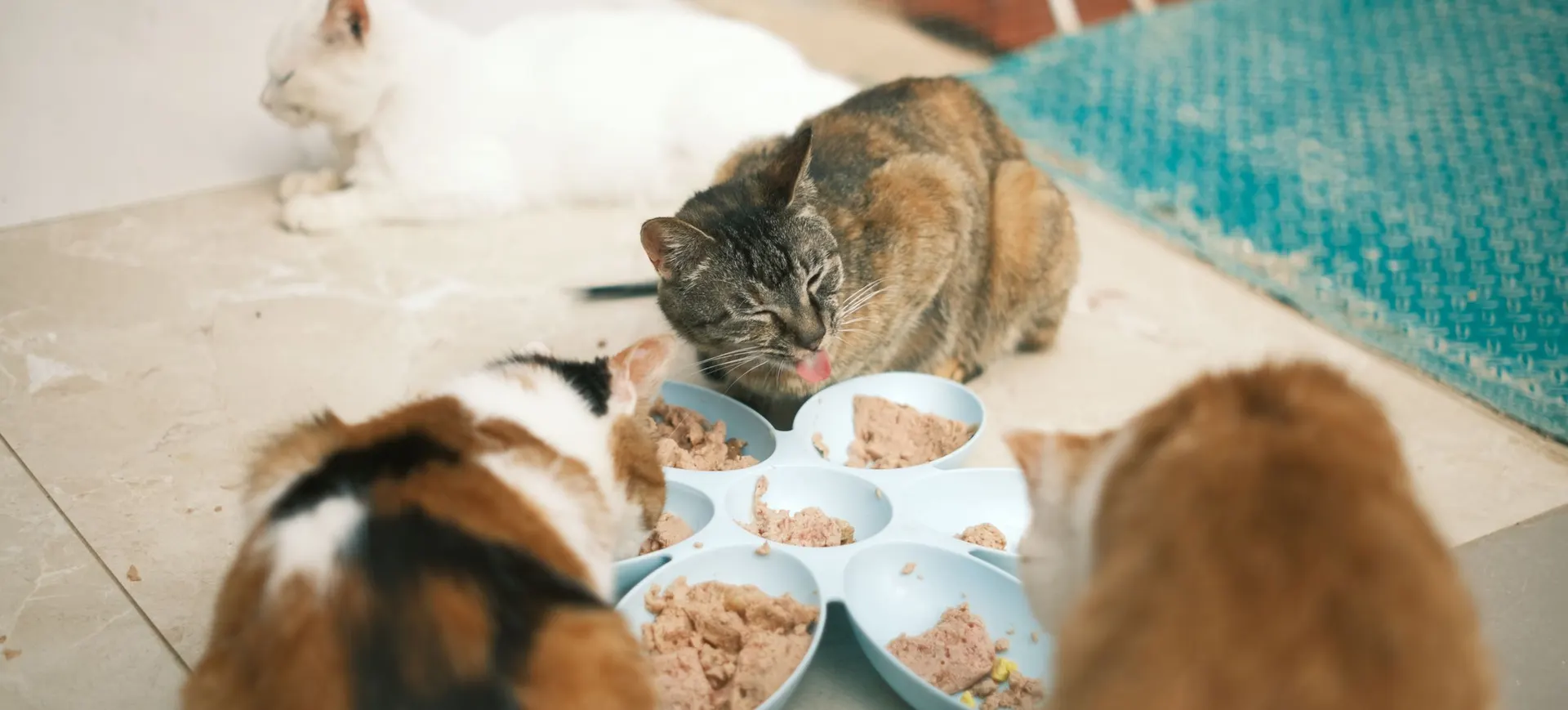
Quick answer: Neutered cats can gain weight, but they don't have to. After sterilisation a cat's metabolism slows slightly and appetite can rise, so the same food now goes further. The fix is straightforward: adjust portions, choose the right diet, and keep your cat active with play. Weight gain is preventable, and neutering does not change your cat's core personality.
It is one of the most common worries owners raise: "Will my cat get fat after being neutered?" The honest answer is that there is a real metabolic shift after sterilisation, but a little weight gain is far from inevitable. With a few simple adjustments, your cat can stay lean, healthy and active for life. Here is what actually happens and how to manage it.
Why neutering can lead to weight gain
Two things change after sterilisation, and together they tip the energy balance:
- Metabolism slows slightly. Sex hormones influence how a cat burns energy. Once those hormones are removed, a cat's resting energy needs drop a little, meaning they need fewer calories than before to maintain the same weight.
- Appetite can increase. At the same time, many cats feel hungrier after neutering and become more food-motivated.
Put simply, your cat now wants more food but needs less. If feeding carries on exactly as before, those surplus calories are stored as fat. This is why the change tends to show in the months after surgery rather than immediately.
Weight gain is preventable, not guaranteed
This is the key point: the metabolic shift is modest and entirely manageable. Cats that maintain a healthy weight after neutering are the rule, not the exception, when owners make small, sensible adjustments. You are not fighting biology, you are simply matching food intake to the cat's new, slightly lower needs.
How to keep your cat at a healthy weight
Adjust portion sizes. Measure meals rather than free-feeding from a topped-up bowl. Many cats do well on a modest reduction in calories after neutering, check the feeding guide on the food and weigh out portions with a scoop or kitchen scale.
Choose an appropriate diet. Some foods are formulated for neutered or indoor cats, with a calorie density suited to lower activity. Your vet can recommend what suits your individual cat. Avoid leaving dry food out all day for grazing.
Encourage daily play and activity. Movement burns calories and keeps muscle tone. Wand toys, laser pointers, treat-dispensing puzzles and short, regular play sessions all help. Indoor cats especially benefit from structured play, as they have fewer natural reasons to move.
Go easy on treats. Treats add up quickly for a small animal. If you use them for training or bonding, deduct those calories from meals, or use a few pieces of the cat's normal kibble instead.
Monitor body condition, not just the scales. Run your hands over your cat's ribs: you should feel them easily under a thin layer of fat, and see a slight waist from above. Regular weigh-ins at the clinic help you catch creeping gain early.
Why staying lean matters
Keeping your cat at a healthy weight is about far more than appearance. Excess weight raises the risk of diabetes, joint problems and other health issues, and can make grooming and movement harder. A lean cat tends to be a more comfortable, active and longer-lived one, so the small effort of portion control and play pays off well.
It won't change who your cat is
Owners sometimes worry that neutering will make their cat dull, lazy or different. It won't. Sterilisation reduces hormone-driven behaviours such as roaming and spraying, but it does not alter your cat's core personality, a playful, affectionate cat stays playful and affectionate. Any tendency towards inactivity is about calories and routine, not character, and is well within your control. If you are still weighing up the procedure itself, our guide to spay versus neuter explains the differences and benefits in detail.
Talk to us about your cat's weight
If you are unsure how much to feed after surgery, or your cat seems to be gaining, we are happy to help. Our team can assess body condition, recommend a suitable diet and portion plan, and set realistic targets. We provide cat neutering and ongoing wellness care at our Springleaf and Tampines clinics, open 7 days a week, with gentle ISFM Cat Friendly handling as an ISFM Silver Cat Friendly Clinic.
Good weight management starts right after the operation, so it is worth planning alongside your cat's post-surgery recovery.
Frequently asked questions
Will my cat definitely get fat after neutering?
No. There is a slight metabolic slowdown and appetite increase, but weight gain is preventable with portion control, the right diet and regular play. Many neutered cats stay perfectly lean.
How much less should I feed after neutering?
It varies with the individual cat, but a modest reduction is often appropriate. Measure meals, follow the feeding guide, and ask your vet for a tailored amount based on body condition.
When does weight gain tend to happen?
Usually in the weeks and months after surgery, as the lower energy needs and higher appetite combine. Adjusting food early helps prevent it.
Does neutering make a cat lazy or change its personality?
No. It reduces hormone-driven behaviours like roaming and spraying but does not change your cat's character. Activity levels are managed through play and routine.
Medically reviewed by Dr Joyce Lauw, Veterinarian (University of Sydney, 2013); MANZCVS (Medicine of Cats); Certified Veterinary Acupuncturist, special interest in feline and internal medicine. Read Dr Joyce's profile
Last reviewed: October 2026. This article is general information and not a substitute for a consultation with your vet.
References / Further reading
- International Society of Feline Medicine (ISFM) - feline weight and wellness guidance
- WSAVA - World Small Animal Veterinary Association (Global Nutrition guidelines)
- AAHA - American Animal Hospital Association