
What to Expect During Your Female Dog's Sterilisation Surgery
Quick answer: A spay is a routine, planned surgery. Your dog has no food from midnight and no water from 6am on the morning of surgery. On the day she has a pre-surgical exam and recommended bloodwork, then surgery under general anaesthesia with IV fluids and full monitoring, with ventilator support on hand if needed. […]
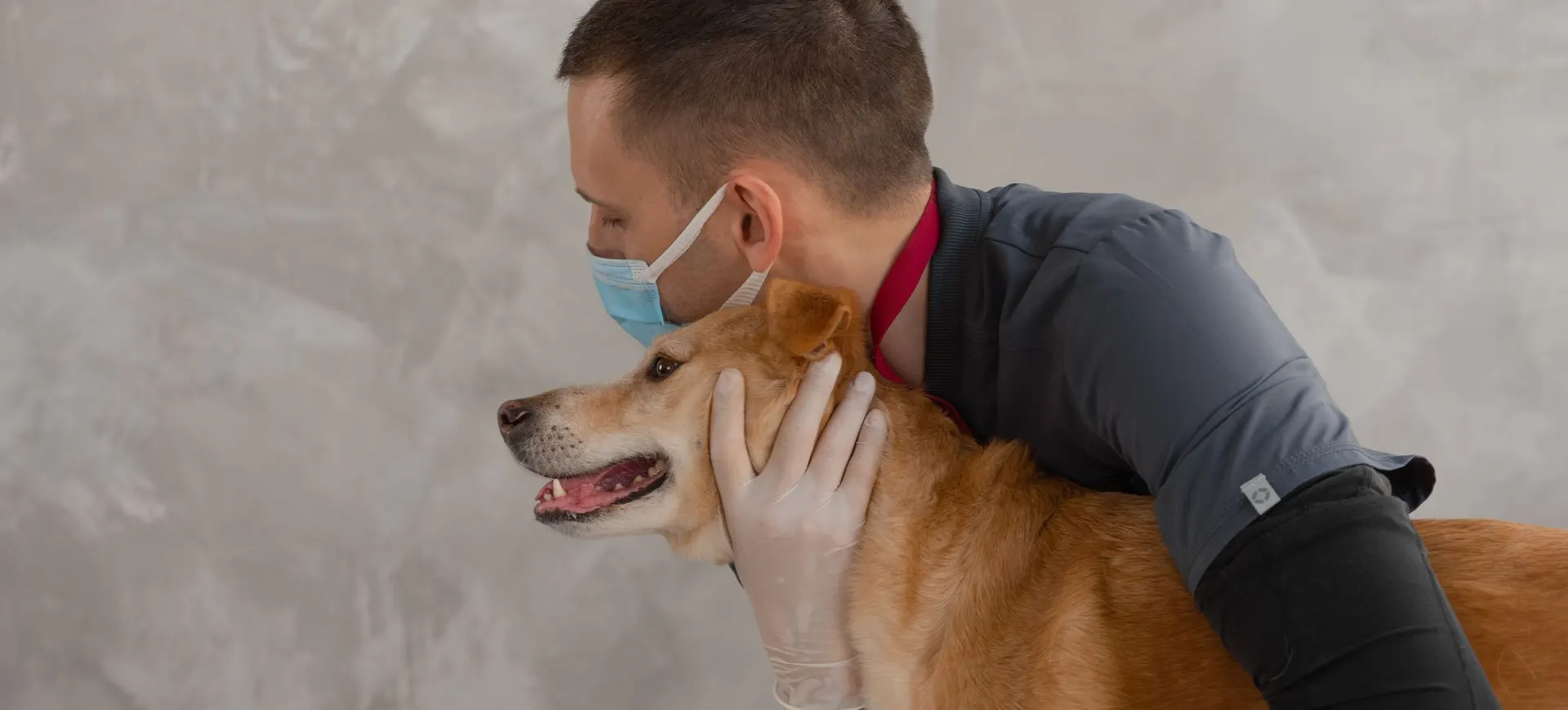
Quick answer: A spay is a routine, planned surgery. Your dog has no food from midnight and no water from 6am on the morning of surgery. On the day she has a pre-surgical exam and recommended bloodwork, then surgery under general anaesthesia with IV fluids and full monitoring, with ventilator support on hand if needed. The ovaries (and usually the uterus) are removed, and most dogs go home the same day with pain relief and aftercare instructions.
Booking your dog in for spaying can feel daunting, especially if it's her first surgery. Knowing exactly what happens, from the night before to discharge, takes a lot of the worry out of it. Here's a clear, step-by-step picture of female dog surgery prep and the procedure itself, the way we approach it.
The night before: fasting and prep
Your vet will ask you to fast your dog before the operation: no food from midnight, and no water from 6am on the morning of surgery. This is important: an empty stomach reduces the risk of vomiting and aspiration under anaesthesia. If your dog takes regular medication or has a health condition, let us know when you book, as we may adjust these timings.
A calm, normal evening helps. Let her toilet before you set off, and bring any medications or notes your vet has asked for.
On arrival: pre-surgical exam and bloodwork
Before any anaesthetic, your vet performs a pre-surgical examination (listening to the heart and lungs, checking gums, temperature and overall condition) to confirm she's fit for the day. We also recommend pre-anaesthetic bloodwork (an add-on from $250, not included in the surgery fee), which checks organ function and helps tailor the anaesthetic safely. It's especially valuable for older dogs, but useful at any age because it can reveal things an exam alone can't.
If anything unexpected shows up, your vet will discuss it with you before proceeding.
Anaesthesia and monitoring
Once she's cleared, your dog is settled and anaesthetised. Sterilisation is always performed under general anaesthesia, so she's fully asleep and feels nothing. Throughout the procedure she receives:
- Intravenous (IV) fluids to support blood pressure and circulation and keep her hydrated.
- Full anaesthetic monitoring: heart rate, breathing, oxygen levels, blood pressure and temperature are tracked continuously.
- Ventilator support if needed: every one of our clinics has ventilator capability, used if she needs help with her breathing under anaesthesia.
This level of support is standard for the procedure, not an optional extra, and it's a big part of why a planned spay in a clinic is so routine and safe.
The spay procedure itself
A spay (ovariohysterectomy, or in some cases ovariectomy) removes the ovaries, and usually the uterus as well, through a small incision in the abdomen. Removing these organs ends heat cycles, prevents pregnancy, eliminates the risk of pyometra (a serious womb infection) and, when done at an appropriate age, helps reduce the risk of mammary tumours.
The incision is closed in layers with sutures. Where bleeding control needs it, vessel-sealing technology such as LigaSure may be used at the vet's discretion or when clinically indicated, at an additional charge, it isn't part of every routine spay. The whole procedure is usually completed within the same visit.
Recovery and same-day discharge
Most dogs recover from anaesthesia and go home the same day. Before discharge, our team monitors her until she's awake and comfortable, then talks you through:
- Pain relief medication and how to give it.
- Wearing a cone (Elizabethan collar) to stop her licking the wound.
- Rest and restricted activity: no running or jumping while she heals.
- What to watch for, and when to return for a check or suture removal.
For the full home-care routine, see our post-op recovery care guide. If you're still deciding on timing before booking, our guide to the right age to spay or neuter will help.
How we help at AVH Animal Ark
At AVH Animal Ark Veterinary Group, every spay is a planned, monitored procedure with general anaesthesia, IV fluids and full anaesthetic monitoring as standard, with ventilator support available if needed. When you're ready to book dog sterilisation, our team will confirm your fasting instructions, recommend bloodwork and give you a personalised quote. We're at Springleaf and Tampines, open 7 days a week.
Sterilisation starts from $440 (under 10kg), $550 (10-20kg) and $660 (over 20kg), inclusive of 9% GST; prices vary by vet, medication and any extras. Complications such as a female on heat add $150. Basic pre-anaesthetic blood testing is not included in those prices; it is an add-on from $250.
Frequently asked questions
How long should my dog fast before surgery?
No food from midnight, and no water from 6am on the morning of surgery. If your dog is on regular medication or has a health condition, tell us when you book so we can advise.
Is the bloodwork really necessary?
It's strongly recommended. Pre-anaesthetic bloodwork checks organ function and helps your vet plan the safest anaesthetic. It's especially worthwhile for older dogs but valuable at any age.
Will my dog be in pain?
She feels nothing during surgery under general anaesthesia, and goes home with pain relief to keep her comfortable while she heals. Tell your vet if she seems sore despite medication.
Can she come home the same day?
In most routine cases, yes. She'll be monitored until she's awake and stable, then discharged with full aftercare instructions. Your vet will advise if an overnight stay is ever recommended.
Medically reviewed by Dr Regina Khoo, Veterinarian (University of Glasgow), special interest in internal medicine and surgery. Read Dr Regina's profile
Last reviewed: October 2026. This article is general information and not a substitute for a consultation with your vet.
References / Further reading
- WSAVA (World Small Animal Veterinary Association) - anaesthesia and surgical guidelines
- AAHA (American Animal Hospital Association) - anaesthesia and surgical monitoring guidelines
- AVMA (American Veterinary Medical Association) - spay/neuter owner resources