
Post-Op Recovery Care Tips After a Dog Sterilisation Procedure
Quick answer: Good recovery comes down to a few essentials: keep the cone on so she can't lick the wound, keep the incision clean and dry, restrict running and jumping for about two weeks, give pain relief as prescribed, and watch for swelling, discharge or the wound opening. Stitches usually come out at 10-14 days. […]
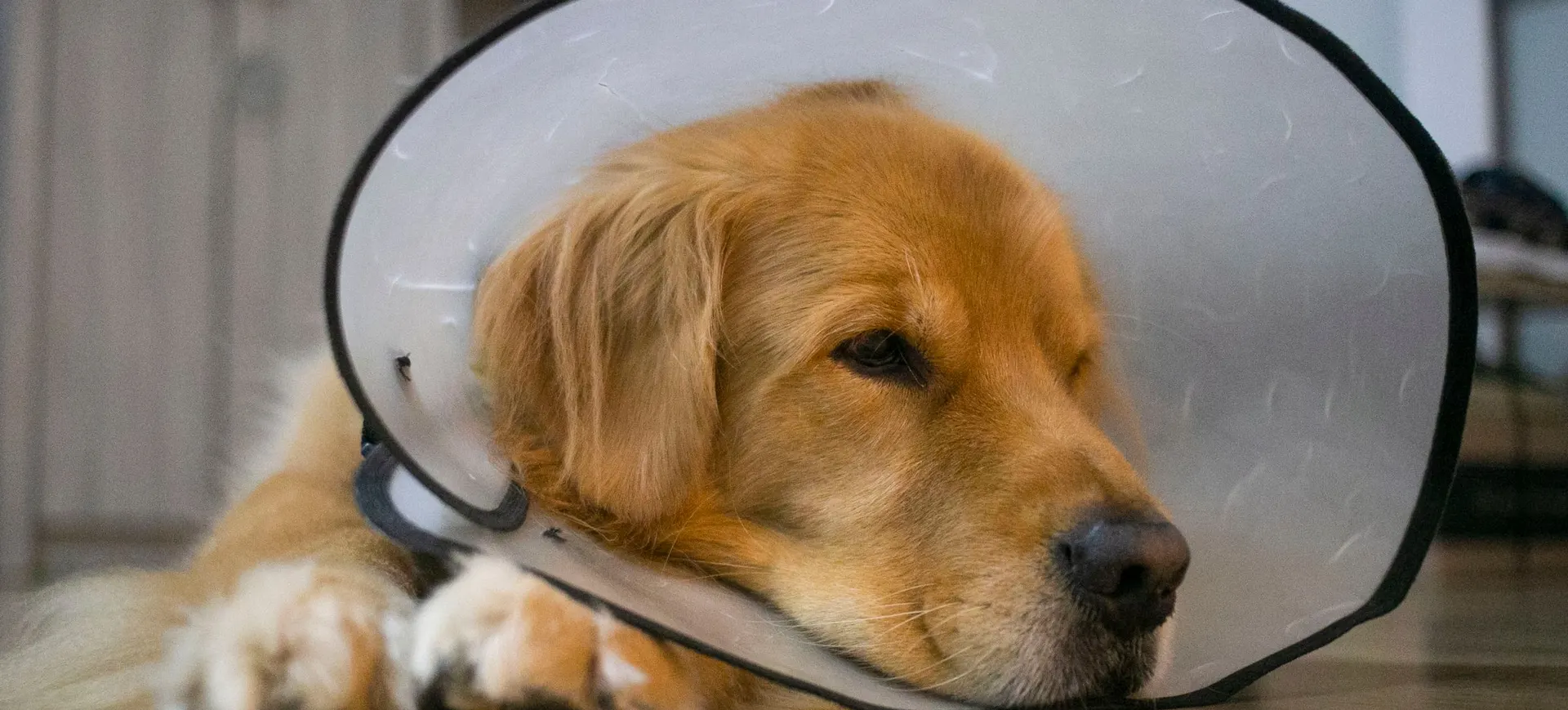
Quick answer: Good recovery comes down to a few essentials: keep the cone on so she can't lick the wound, keep the incision clean and dry, restrict running and jumping for about two weeks, give pain relief as prescribed, and watch for swelling, discharge or the wound opening. Stitches usually come out at 10-14 days. Most dogs are back to normal within a fortnight.
The surgery is over and your dog is home. Now your job is to give her a calm, safe recovery. The good news is that dogs heal well from sterilisation, and a smooth recovery is mostly about a handful of simple habits. Here's your practical post-op guide for the first couple of weeks.
1. Keep the cone on
The single most important rule. A dog's instinct is to lick a wound, but licking introduces bacteria, irritates the incision and can pull stitches out, a common cause of complications. An Elizabethan collar (cone) prevents this. Leave it on whenever she's unsupervised, including overnight, until your vet confirms the wound has healed. Soft or inflatable alternatives can work for some dogs, but only if they genuinely stop her reaching the incision.
2. Keep the wound clean and dry
Check the incision twice a day. It should look clean, with the edges together and only mild redness early on. Do not bathe her or let the wound get wet while it's healing, and don't apply creams or ointments unless your vet tells you to. If she's been outside, keep her away from dirt, sand and puddles.
3. Restrict activity
Even when she feels fine, rest is essential for about 10-14 days. Too much movement can cause swelling, delay healing or break down the internal stitches.
- No running, jumping, rough play or stairs where avoidable.
- Lead-only toilet breaks: no off-lead zoomies.
- Keep her away from other pets that might want to play.
- A crate or a small, quiet room helps enforce calm if she's bouncy.
4. Manage pain relief
Your dog goes home with pain medication: give it exactly as prescribed, for the full course, even if she seems comfortable. Never add human painkillers such as paracetamol or ibuprofen; many are toxic to dogs. If she still seems sore despite the medication, call your vet rather than adjusting the dose yourself.
5. Watch for warning signs
A little swelling, mild bruising and slight redness can be normal in the first day or two. Contact your vet promptly if you see:
- Significant or increasing swelling around the wound.
- Discharge, pus or bleeding from the incision.
- The wound opening or stitches coming loose.
- Persistent vomiting, refusing food for more than a day, lethargy or fever.
- Signs of ongoing pain despite medication.
Do and Don't at a glance
| Do | Don't |
|---|---|
| Keep the cone on until healed | Let her lick or chew the wound |
| Check the incision twice daily | Bathe her or wet the wound |
| Restrict to lead walks and rest | Allow running, jumping or stairs |
| Give pain relief as prescribed | Give human painkillers |
| Call the vet about swelling or discharge | Apply creams unless told to |
| Feed a light meal as advised | Force a large meal on day one |
Eating and toileting in the first days
It's normal for appetite to be reduced on the first evening as the anaesthetic wears off. Offer a small, light meal and fresh water; appetite usually returns within a day. Toileting may also be a little off for a day or two. If she hasn't eaten or passed urine within about 24 hours, check with your vet.
Suture removal and the check-up
Most external stitches are removed at a follow-up visit around 10-14 days after surgery, once your vet confirms the wound has healed. Some surgeries use dissolvable internal sutures, in which case there may be nothing to remove, your clinic will tell you which applies. This check is also a chance to confirm everything has healed well before she returns to normal activity.
If you'd like to revisit what led up to this point, see what to expect during the surgery. And if your dog was spayed while in heat, your vet may give some additional aftercare guidance.
How we help at AVH Animal Ark
At AVH Animal Ark Veterinary Group, every dog goes home with clear aftercare instructions, pain relief and a follow-up plan, and our team is on hand if you have any post-op concerns. When you're arranging dog spaying and neutering, we'll talk you through the full recovery so you know exactly what to do at home. We're at Springleaf and Tampines, open 7 days a week.
Frequently asked questions
How long does a dog take to recover from sterilisation?
Most dogs are comfortable within a few days and largely back to normal by around two weeks, once the wound has healed and any stitches are removed.
Does my dog really need to wear the cone?
Yes. Licking is the most common cause of wound problems. Keep the cone on whenever she's unsupervised until your vet confirms the incision has healed.
When can my dog return to normal walks and play?
Usually after the post-op check at around 10-14 days, once your vet confirms healing. Until then, keep her to lead walks and rest.
What if the wound looks swollen or is oozing?
Mild redness early on can be normal, but significant swelling, discharge, bleeding or an opening wound needs a prompt call to your vet.
Medically reviewed by Dr Regina Khoo, Veterinarian (University of Glasgow), special interest in internal medicine and surgery. Read Dr Regina's profile
Last reviewed: October 2026. This article is general information and not a substitute for a consultation with your vet.
References / Further reading
- WSAVA (World Small Animal Veterinary Association) - surgical and post-operative guidelines
- AAHA (American Animal Hospital Association) - pain management and recovery guidelines
- AVMA (American Veterinary Medical Association) - spay/neuter recovery resources